Choosing the best Plastic Base Shower Drains is essential for any renovation project. A significant number of homeowners overlook this vital component. According to a report by the Home Improvement Research Institute, nearly 70% of bath renovations require a focus on efficient drainage solutions. Plastic Base Shower Drains offer durability and cost-effectiveness, making them a popular choice.
Industry expert John Thompson emphasizes the importance of selecting the right drain. He states, "A well-chosen shower drain not only improves water flow but also enhances the aesthetic appeal." This highlights the dual role of these drains in both functionality and design. However, many options are available, and not all drains are created equal. This can lead to confusion.
Choosing wisely ensures long-term satisfaction. Many people regret not researching adequately before making a decision. Factors such as size, material quality, and installation methods are crucial. Understanding these elements can guide you to a suitable choice. Thus, a careful approach is necessary for effective drainage solutions.
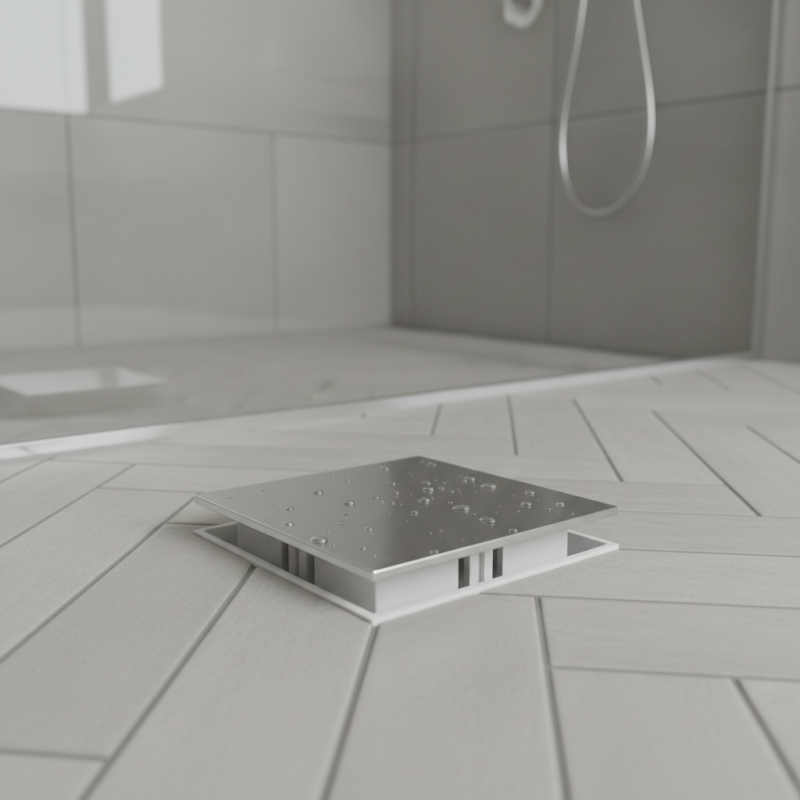
When it comes to selecting plastic base shower drains, understanding the types available is crucial. There are various options tailored to different needs. Common types include standard drains, linear drains, and trench drains. Each has distinct advantages and drawbacks. For example, standard drains are efficient but may limit design flexibility. Linear drains, on the other hand, can enhance aesthetics and improve water drainage but may require higher installation skill.
Industry data shows that linear shower drains have grown in popularity, accounting for approximately 30% of the market share in recent years. This shift indicates a move towards modernization in bathroom design. However, fewer homeowners are aware that these drains can cost up to 50% more than traditional models. This price point can lead to reflections on budget versus aesthetic choices. Trench drains, although less common, offer excellent drainage for larger shower areas but often complicate installation.
Many overlook the importance of drain materials. While some plastics can corrode over time, high-density polyethylene (HDPE) is favored for its durability and resistance to chemicals. This selection isn’t straightforward; balancing cost and performance can be complex. Ensuring the right type of drain fits your design and functional needs is essential for lasting results.
| Type of Plastic Base Shower Drain | Material Type | Drain Size (inches) | Weight Capacity (lbs) | Installation Type | Price Range |
|---|---|---|---|---|---|
| Standard Plastic Base Drain | PVC | 2" | 300 | Glue-On | $20 - $30 |
| Heavy Duty Shower Drain | ABS | 3" | 500 | Bolt-On | $40 - $60 |
| Linear Shower Drain | Polymer | 4" | 400 | Flange | $50 - $80 |
| Shower Channel Drain | PVC | 5" | 600 | Tile-In | $70 - $100 |
: Size and dimensions must match your shower space. Incorrect sizing leads to overflow or inconsistencies.
Durable plastic drains can last up to 20 years with proper maintenance.
A good shower drain should handle 6 to 8 gallons of water per minute to avoid hygiene issues.
Installation style, like linear versus traditional, influences water flow and aesthetics.
Clean the area, measure accurately, and level the drain before securing it to prevent pooling.
Testing for leaks after installation helps identify issues early. Addressing them sooner reduces long-term problems.
Regular cleaning with a soft brush helps prevent clogs. Use vinegar and baking soda for deep cleaning.
Look for cracks or discoloration. Early detection can save you from bigger issues later.
Avoid chemical drain cleaners, as they may damage the plastic. Use mechanical methods instead.
Don't hesitate to seek professional guidance to ensure proper installation and care.
When selecting the best Plastic Base Shower Drains for your needs, it's essential to understand the various types available on the market. These drains come in different designs and materials, with considerations such as drain size and compatibility with your chosen shower base playing a crucial role in ensuring a proper fit and functionality. Additionally, factors like installation ease and the specific requirements of your bathroom setup should be evaluated to make an informed decision.
Proper installation and ongoing maintenance are key to the longevity of Plastic Base Shower Drains. Taking the time to follow best practices during installation, as well as regular cleaning and care, will help prevent clogs and ensure your drains perform optimally over time. By considering these aspects, you can choose the right shower drain that meets both aesthetic and practical needs, enhancing your shower experience.

 Xianglong