When renovating your bathroom, choosing the right fixtures is crucial. One of the most important elements is the shower drain. Cuttable shower drains have gained popularity for their versatility and ease of installation. According to a recent survey by the National Kitchen and Bath Association, 45% of homeowners prioritize functionality in their bathroom renovations. This makes selecting the right drain essential.
Cuttable shower drains can be tailored to fit varying sizes and styles. Reports indicate that customizable options often result in better water flow and reduced risks of clogs. In fact, the study showed that properly sized drains can prevent up to 70% of common shower issues. However, not all drains offer the same quality. Many products on the market can be subpar, leading to long-term issues and unnecessary costs.
It's important to evaluate industry standards and manufacturer reputations before making a decision. Researching will help ensure that you invest in reliable and durable cuttable shower drains. Embracing this aspect of your renovation can create a balance between aesthetics and function, but it requires thoughtful consideration.
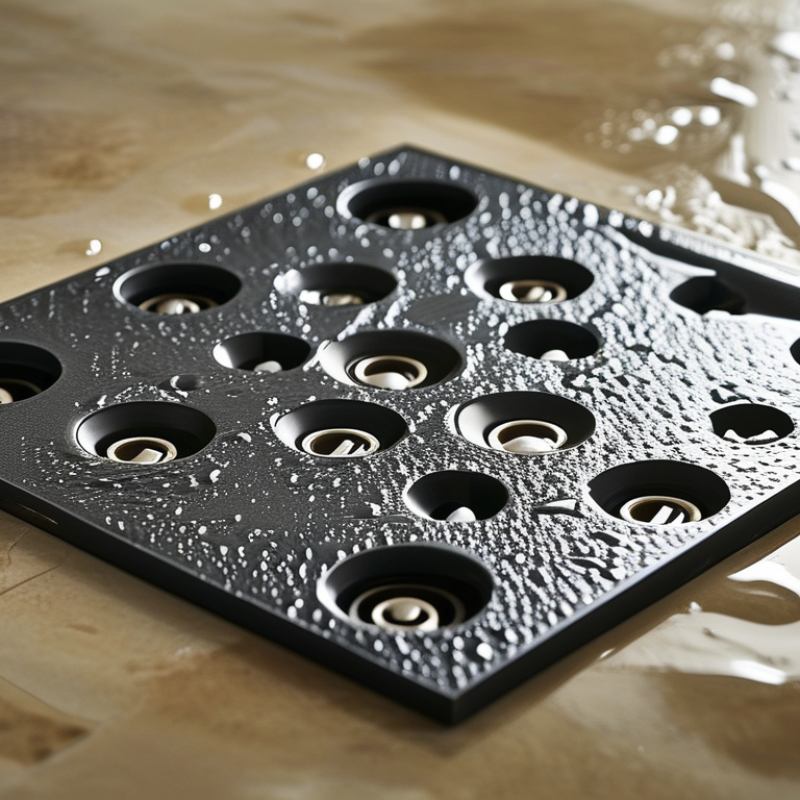
When renovating a bathroom, selecting the right cuttable shower drain is crucial. Different types of cuttable drains cater to various needs and styles. According to a recent industry report, more homeowners are choosing customized solutions over traditional options. This shift reflects a desire for greater flexibility and aesthetic appeal in bathroom designs.
There are several types of cuttable shower drains available. Linear drains, for example, offer a sleek look and are ideal for large showers. They can be adjusted to fit various lengths and seamlessly integrate into the floor. Traditional point drains are another option, often installed in the center of the shower. While they are more common, they may not provide the same design versatility as linear options.
Data suggests that proper installation is critical for functionality. An overlooked factor is the slope; an inadequate slope can lead to water pooling and drainage issues. Regularly checking for blockages is vital as well. Standard drains can experience clogs, affecting water flow. When selecting a shower drain, consider future maintenance needs alongside immediate aesthetic preferences. This balance will enhance both the functionality and longevity of your shower space.
: There are linear drains and traditional point drains. Linear drains suit large showers, while point drains are common but less versatile.
Proper installation affects functionality. An improper slope can cause water pooling, leading to drainage issues and reduced effectiveness.
Measure the area for the drain. Common sizes range from 2 to 4 inches in diameter, affecting drainage efficiency.
A flow rate of 3 to 5 gallons per minute is recommended for most showers. Higher rates may be needed for specific setups.
Check that the drain fits well with current plumbing dimensions. Verify measurements for an airtight and effective installation.
A slope of 1-2% is ideal. Incorrect slopes can lead to standing water, affecting the shower’s usability and hygiene.
Different materials vary in lifespan and resistance. Choose a suitable material based on your needs for durability and maintenance.
Familiarize yourself with local building codes. They may dictate specific requirements for drain types and installations to avoid fines.
Regularly check for blockages. Proper sizing and flow rates can help prevent clogs and ensure efficient water drainage.
Consult with professionals. Their insights can guide you, ensuring a suitable choice for your unique home layout and needs.
When renovating a bathroom, selecting the right Cuttable Shower Drains is crucial for both functionality and aesthetics. This article explores various types of cuttable shower drains, highlighting their features and applications. It emphasizes the importance of evaluating drain size and flow rate to ensure efficient drainage, while also considering the durability of materials, such as stainless steel and plastic, which significantly affect the longevity of the installation.
Moreover, installation factors such as slope, compatibility with existing plumbing, and adherence to local building codes are discussed to help homeowners achieve optimal performance from their chosen drains. Finally, a cost analysis provides insights into budgeting for cuttable shower drains, ensuring that renovations are not only effective but also financially feasible. By understanding these key aspects, homeowners can make informed decisions that enhance both the functionality and appeal of their bathrooms.

 Xianglong