Selecting the right Horizontal Shower Drains is crucial for any home renovation. Industry reports suggest that improper drainage systems can lead to significant water damage. In fact, nearly 14% of U.S. homeowners have experienced related issues. This highlights the importance of choosing efficient drainage solutions.
Horizontal Shower Drains offer various benefits, such as better water flow and aesthetic appeal. These drains are particularly favored in modern bathrooms for their sleek design and functionality. With the increasing trend toward open floor plans, homeowners should pay close attention to drainage options. However, some products may not perform as advertised. Researching reputable brands can mitigate this risk.
Understanding the specific needs of your bathroom is key. Ensure you measure your space accurately. Not all Horizontal Shower Drains fit every size or style. Mistakes can lead to costly renovations down the line. Emphasizing quality and functionality over cost can ultimately save money and hassle.
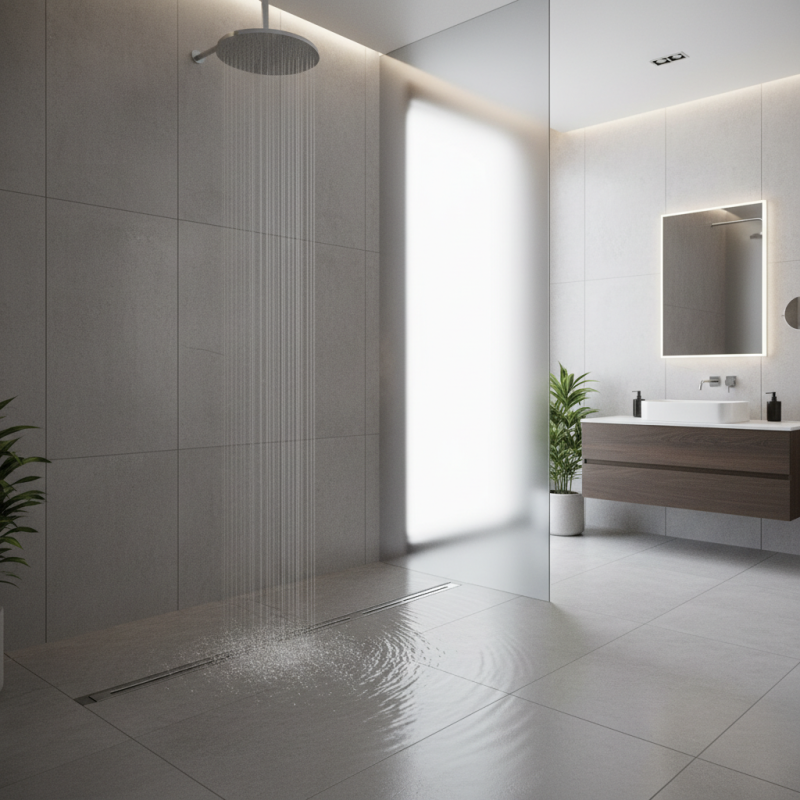
When selecting horizontal shower drains, there are critical factors to consider. The size and layout of your shower space play a major role. A well-measured drain ensures proper water flow and prevents clogging. You should assess your current plumbing too. Older systems may require updated connections for optimal performance.
Material is another important factor. Stainless steel is durable and resistant to rust. However, plastic drains can be more cost-effective. Evaluate which option fits your budget and aesthetic preferences. Be mindful that materials can affect water temperature retention, impacting your shower experience.
Lastly, consider the installation process. Some drains may need professional help, while others are easier to install yourself. It’s vital to weigh the balance between ease and effectiveness. Complicated installations can lead to mistakes, so think twice before diving in. Always prioritize your comfort and safety in the long run.
When selecting horizontal shower drains, it's essential to understand the various types available. One popular option is the linear drain, known for its sleek design. These drains run along one side of the shower, offering a modern look and efficient water flow. They can be installed in a wide variety of settings, making them versatile. However, installation can be complex, and not every layout suits this type.
Another type is the traditional point drain. This drain typically sits at the center of a shower floor. It’s simpler to install, often requiring less modification to existing plumbing. However, the design may not effectively redirect water, especially in larger spaces. Homeowners often face challenges with drainage performance if the slope isn’t correct.
Consideration of materials is crucial as well. Stainless steel is common and durable. Plastic drains may be cheaper but can degrade over time. Choosing the right type involves weighing these factors carefully. Do you prioritize aesthetics or functionality? Each choice comes with its own set of challenges and benefits that should not be overlooked.
When selecting horizontal shower drains, understanding material choices is crucial. Common materials include stainless steel, PVC, and cast iron. Each offers unique durability traits.
Stainless steel, for example, is widely favored for its resistance to rust and corrosion. Reports indicate that drains made of stainless steel can last over 25 years if properly maintained.
PVC drains are lightweight and cost-effective, yet they may not endure high temperatures or heavy impacts. Research shows they can last about 10 to 15 years under normal use.
Cast iron, though heavier, provides excellent durability and sound insulation. However, it's also subject to rusting if not coated properly.
You should consider installation practices and regional conditions. Poor installation may compromise even the most durable materials. For example, incorrect sealing can lead to leaks, affecting longevity. Reflect on the maintenance required for each type.
Regularly cleaning a stainless steel drain can extend its lifespan, while neglect can hasten wear. These insights indicate that the right material, combined with proper installation and maintenance, is essential for maximizing the lifespan of your horizontal shower drain.
Choosing the right horizontal shower drain is crucial for any bathroom. One key factor to consider is the drain slope. A proper slope ensures that water flows efficiently toward the drain. If the slope is inadequate, water can pool, leading to mold growth and unpleasant odors. An optimal slope usually ranges from 1 to 2 percent. This slight angle helps water move without causing splashes.
Flow rate is equally important. It measures how quickly water can exit the shower. A low flow rate may result in slow drainage, which can become a nuisance. Conversely, an excessively high flow rate can overwhelm the system, increasing the risk of clogs. It's essential to match the flow rate of your shower to the drain's capacity. Professional advice can help determine the right balance.
Many homeowners overlook these aspects. They focus more on aesthetics instead of function. Understanding the importance of drain slope and flow rate can prevent headaches later. It’s not just about looks; it’s about effective water management. Prioritizing these details can lead to a well-functioning shower system that avoids future inconveniences.
When installing horizontal shower drains, precision is crucial. According to recent industry reports, improper slope in drainage can lead to pooling water, increasing maintenance costs by up to 30%. Ensure the floor is sloped correctly towards the drain. A gradient of 1-2% is often recommended for efficient water flow. This small adjustment can make a significant difference in the drain’s performance.
Choosing the material for your drain is just as vital. Stainless steel is a popular choice for its durability and long lifespan. A well-installed stainless steel drain can last for over 20 years. However, it's essential to pay attention to the grating. Small openings may clog easily, resulting in frustrating backups. Ensure the chosen drain has a balance between aesthetics and functionality.
Proper sealing around the drain is another consideration. Many forget this step, leading to water leaks and potential damage to the surrounding area. Waterproofing membranes should be placed beneath the drain. This extra layer can improve the drain's effectiveness and prevent costly repairs. While these steps are manageable, each requires attention to detail and expertise.
: Consider size, layout, materials, and installation ease. These factors impact performance and comfort.
A proper slope ensures water flows to the drain. Incorrect slope can cause pooling and odors.
An optimal slope is usually between 1 to 2 percent. This helps water move smoothly.
Stainless steel is durable and rust-resistant. Plastic is cheaper but may degrade over time.
Linear drains offer a modern look but require careful installation. Point drains are simpler but can underperform.
Some drains are easy to install. Others may need professionals. Weigh comfort against potential mistakes.
Flow rate measures how fast water exits. Low rates can cause slow drainage; high rates can lead to clogs.
The layout affects water direction and drainage efficiency. Wrong placements can lead to issues in larger spaces.
Many focus on looks over function. Ensure you understand slope, flow, and installation to prevent future problems.
Higher quality may offer better durability and performance. Consider budget versus long-term benefits carefully.
When selecting Horizontal Shower Drains for your home, several factors should be taken into account to ensure optimal performance and durability. Understanding the different types of horizontal shower drains available is crucial, as is recognizing the materials used in their construction; various materials offer different levels of durability. Another important consideration is the drain slope and flow rate, which play a critical role in the effective drainage of water and prevention of clogs.
Additionally, installation tips are vital for ensuring the effective use of horizontal shower drains. Proper installation will not only enhance functionality but also extend the lifespan of the drain. By considering these factors, homeowners can make informed decisions that will lead to a more efficient and enjoyable shower experience.

Xianglong