Super Durability
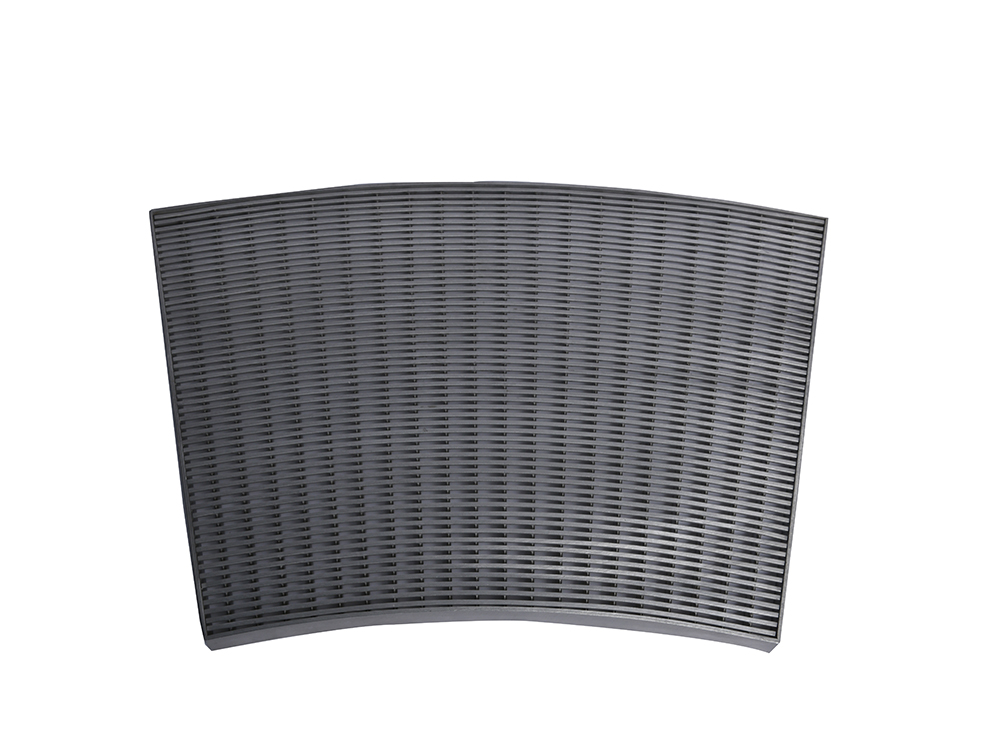
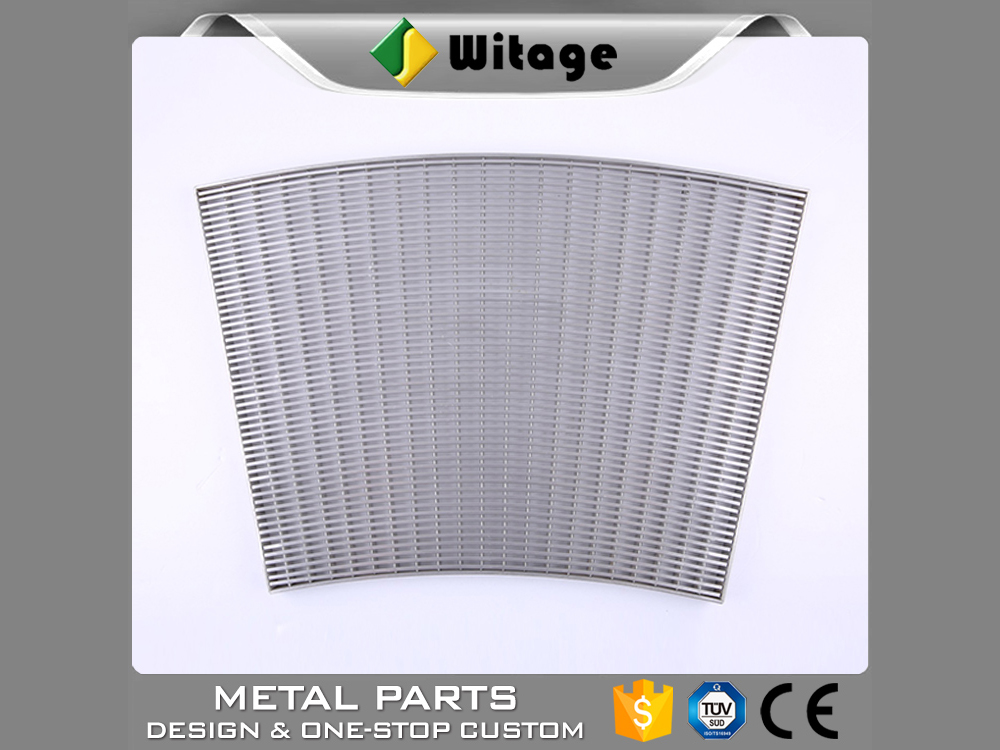
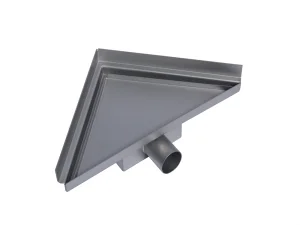
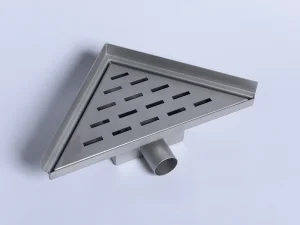
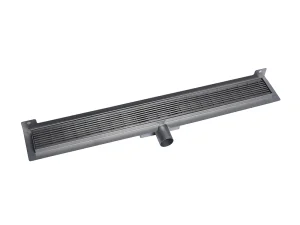
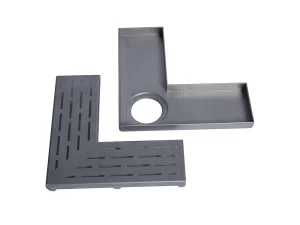
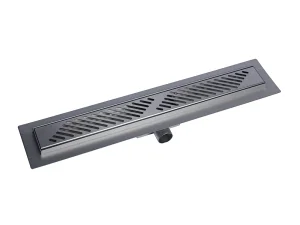
The overall material is made of high-quality stainless steel, which has excellent corrosion and wear resistance. It can be used for a long time in damp and wet environments, is not easy to rust or deform, and has a long service life. The surface hardness of the stainless steel cover plate is high, which can resist scratches during daily use and maintain a long-lasting appearance like new.
Easy to Clean and Maintain
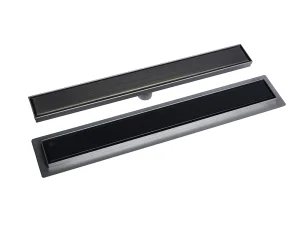
The surface of the stainless steel cover plate is smooth and not easily contaminated with dirt and water stains. Daily cleaning only requires wiping with a damp cloth to easily remove surface stains. The cover plate can be easily disassembled, and regularly removing the internal filter screen for flushing can effectively prevent debris from blocking and maintain smooth drainage.
Frequently Asked Questions
Q
What material is the cover plate made of?
The cover plate is made of high-quality stainless steel, which offers excellent corrosion resistance, wear resistance, and surface hardness for long-lasting durability.
Q
Is the stainless steel cover plate suitable for wet environments?
Yes, the cover plate is specifically designed for damp and wet environments. It resists rust and deformation even with prolonged exposure to moisture.
Q
How do I clean the stainless steel cover plate?
Daily cleaning is simple — just wipe the surface with a damp cloth to remove dirt and water stains. The smooth surface prevents grime from sticking, making maintenance effortless.
Q
Can the cover plate be removed for deeper cleaning?
Yes, the cover plate is designed for easy disassembly. You can remove it to access and rinse the internal filter screen regularly, helping to prevent blockages and ensure smooth drainage.
Q
Will the surface scratch easily during daily use?
No. The stainless steel surface has high hardness that effectively resists scratches from everyday use, keeping the cover plate looking new for a longer period.
Q
How often should the internal filter screen be cleaned?
It is recommended to remove and rinse the internal filter screen regularly — ideally once a month or whenever you notice reduced drainage performance — to prevent debris buildup and maintain optimal flow.
 Xianglong